




-
Ways to Give
-
As a Corporate Partner
Never Miss a Chance to Do the Most Good
Please enter your name, email and zip code below to sign up!
-
As a Faith Partner
Never Miss a Chance to Do the Most Good
Please enter your name, email and zip code below to sign up!
-
As an Individual
Never Miss a Chance to Do the Most Good
Please enter your name, email and zip code below to sign up!
-
Signature Fundraising Events
Never Miss a Chance to Do the Most Good
Please enter your name, email and zip code below to sign up!
-
William Booth Society
Never Miss a Chance to Do the Most Good
Please enter your name, email and zip code below to sign up!
Never Miss a Chance to Do the Most Good
Please enter your name, email and zip code below to sign up!
-
As a Corporate Partner
-
Volunteer
-
Dallas Women's Auxiliary
Never Miss a Chance to Do the Most Good
Please enter your name, email and zip code below to sign up!
-
Echelon
Never Miss a Chance to Do the Most Good
Please enter your name, email and zip code below to sign up!
-
Individual Opportunities
Never Miss a Chance to Do the Most Good
Please enter your name, email and zip code below to sign up!
-
Women's Auxiliary of Tarrant County
Never Miss a Chance to Do the Most Good
Please enter your name, email and zip code below to sign up!
Never Miss a Chance to Do the Most Good
Please enter your name, email and zip code below to sign up!
-
Dallas Women's Auxiliary
-
About Us
Never Miss a Chance to Do the Most Good
Please enter your name, email and zip code below to sign up!
-
Services
Never Miss a Chance to Do the Most Good
Please enter your name, email and zip code below to sign up!
-
Locations
Never Miss a Chance to Do the Most Good
Please enter your name, email and zip code below to sign up!
-
Contact Us
-
Careers
Never Miss a Chance to Do the Most Good
Please enter your name, email and zip code below to sign up!
-
I Need Help
Never Miss a Chance to Do the Most Good
Please enter your name, email and zip code below to sign up!
-
I Want to Help
Never Miss a Chance to Do the Most Good
Please enter your name, email and zip code below to sign up!
-
Media Inquiries
Never Miss a Chance to Do the Most Good
Please enter your name, email and zip code below to sign up!
-
Prayer Request
Never Miss a Chance to Do the Most Good
Please enter your name, email and zip code below to sign up!
Never Miss a Chance to Do the Most Good
Please enter your name, email and zip code below to sign up!
-
Careers
Never Miss a Chance to Do the Most Good
Please enter your name, email and zip code below to sign up!
Never Miss a Chance to Do the Most Good
Please enter your name, email and zip code below to sign up!
Never Miss a Chance to Do the Most Good
Please enter your name, email and zip code below to sign up!


Leading the Fight for Good in North Texas
The Salvation Army of North Texas works to address the startling realities of poverty, addiction, and homelessness.
DONATE NOWTransforming Lives Across North Texas
As the region’s largest social service provider, The Salvation Army enables God-powered transformations
across Dallas and Rockwall, Tarrant and Ellis, Denton and Collin Counties.

Ways to
Give in 2024
More North Texans are facing hardship and poverty due to the impacts of inflation and rising costs. Join us in the commitment to providing help and hope to those most vulnerable.

Signature
Events
Our annual fundraising events serve as an opportunity to gather as a community and support the work of The Salvation Army year-round. Tickets are available for purchase now.

Fort Worth
Garage Sale
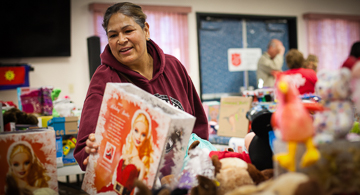
The Tarrant County Women's Auxiliary's annual Garage Sale will provide aid to your most vulnerable neighbors. Learn more about this and others ways to get involved on our community calendar.
Fighting Poverty, Addiction, and Homelessness
Devoted to transforming lives in North Texas through service, love, and meaningful change.
Poverty
Roughly 10 percent of North Texans struggle against poverty every year. With a footprint across more than 4,000 square miles, no organization is better suited to serve our community. Locations throughout the North Texas area offer Christmas assistance, food pantries, and other services to help the most vulnerable members of our community.
Addiction
One in five North Texas children lives in a home with drug or alcohol abuse. Our outcome-focused recovery programs offer hope and brighter futures for families across the region. Our Adult Rehabilitation Centers in Dallas and Fort Worth treat both the causes and symptoms of alcoholism and drug addiction so that children can get their parents back.
Homelessness
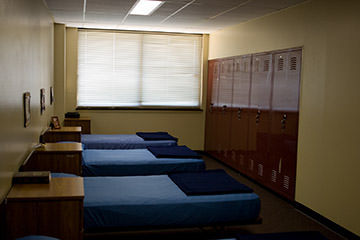
Homelessness in North Texas is a challenge we need to solve, with thousands at risk of joining the North Texans who currently find themselves without a safe place to sleep at night. This year alone, our six shelters and senior living centers have each week been housing 1,300 of our brothers and sisters living on the streets.
EMERGENCY FAMILY SERVICES
For the out-of-work and thousands of working poor who are employed but still living paycheck to paycheck, The Salvation Army provides emergency assistance to help get families through crisis situations, which includes housing and utility payments and food bags.
If you are in need of emergency family services, call the number below.

